Working in Poland: Job Market Overview, Sectors & Visa Process
Poland has become one of Europe’s top employment destinations, thanks to its booming economy, central location, and increasing demand for skilled labor. As a member of the European Union (EU) and Schengen Area, Poland offers streamlined processes for European citizens and an expanding range of job opportunities for non-EU nationals.
This guide outlines everything you need to know about working in Poland—from the economic outlook to key employment sectors, government support initiatives, and work visa rules.
Economic Overview
Poland is the sixth-largest economy in the EU, with consistent GDP growth, low unemployment, and a dynamic private sector. It has become a major player in technology, manufacturing, and business services.
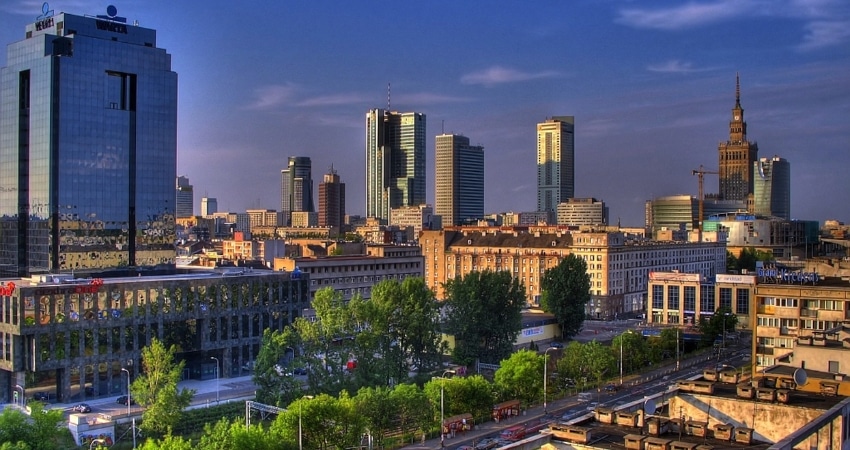
The Polish government continues to invest in infrastructure, digital transformation, and education, driving demand for skilled professionals across industries. The capital city, Warsaw, along with Kraków, Wrocław, Gdańsk, and Poznań, are major employment hubs for international talent.
Key Sectors and Employment Opportunities
1. Information Technology (IT)
Poland’s IT sector is one of the fastest-growing in Central Europe. International companies and local startups are looking for:
-
Software Developers (Java, Python, .NET)
-
IT Support Engineers
-
Cybersecurity Specialists
-
DevOps and Cloud Engineers
-
Data Analysts and AI Engineers
Kraków, Warsaw, and Wrocław are known for their thriving tech ecosystems.
2. Business Services and BPO
Poland is a leading destination for business process outsourcing (BPO) and shared service centers (SSCs), creating jobs for:
-
Multilingual Customer Service Representatives
-
Accountants and Financial Analysts
-
HR and Payroll Specialists
-
Project Managers
Language skills (especially English, German, French, and Spanish) are highly valued in this sector.
3. Manufacturing and Engineering
The industrial sector remains a cornerstone of Poland’s economy. Opportunities exist in:
-
Automotive (Volkswagen, Toyota)
-
Electronics and machinery
-
Civil and mechanical engineering
-
Logistics and quality control
4. Healthcare
Poland’s growing private healthcare sector has opened up roles for:
5. Construction and Skilled Trades
With infrastructure and housing developments underway, there’s demand for:
Challenges and Considerations
Language Barrier
English is widely spoken in multinational companies, but Polish remains essential for local firms and public sector jobs. Language courses are recommended for long-term integration.
Cost of Living
Poland is affordable compared to Western Europe, though major cities like Warsaw and Kraków have higher living costs. Rent, transportation, and food remain relatively inexpensive.
Bureaucracy
While improving, administrative processes for residency and work permits can still be time-consuming. It’s advised to start early and work closely with your employer or legal advisor.
Government Initiatives and Support for Employment
Poland’s government has launched several programs to support labor market growth and attract foreign professionals:
-
Polish Investment & Trade Agency (PAIH): Assists international companies and promotes employment.
-
Solidarity Transport Hub Project: A mega infrastructure initiative creating thousands of jobs in construction, logistics, and engineering.
-
Government Grants and Tax Incentives: Offered to companies that invest in key sectors and hire local and foreign talent.
-
Reskilling and Upskilling Programs: Funded training in IT, digital marketing, and green jobs to address skill shortages.
Additionally, public employment services support both job seekers and employers through job matching, training, and labor market insights.
Visa Rules for Employment
For EU/EEA/Swiss Citizens:
No work visa is needed. You can live and work freely, but must register your stay with local authorities if staying longer than 90 days.
For Non-EU Citizens:
Foreign nationals outside the EU/EEA need both a work permit and a residence permit to work legally in Poland.
1. Work Permit Types
-
Type A – For foreigners employed by a Polish employer (most common)
-
Type B – For board members staying over 6 months
-
Type C-E – For intra-company transfers and delegated workers
Documents Required:
Processing Time: 4–10 weeks
2. Temporary Residence Permit (for work)
Must be applied for separately and is usually granted for up to 3 years.
3. Poland Business/Startup Visa
For entrepreneurs planning to start a business in Poland. Requirements include a solid business plan and proof of funds.
4. EU Blue Card
For highly qualified professionals earning at least 150% of the average salary in Poland. It offers:
Conclusion
Poland offers a welcoming and growing job market with expanding opportunities in tech, business services, manufacturing, and healthcare. Its affordable lifestyle, strategic location, and government-backed initiatives make it an ideal destination for both EU and non-EU job seekers.
Whether you’re looking for a high-paying IT role in Kraków or want to join a startup in Warsaw, Poland is a smart career move in 2025.
Explore job listings, employer insights, and visa assistance on our platform—and start your career journey in Poland today.